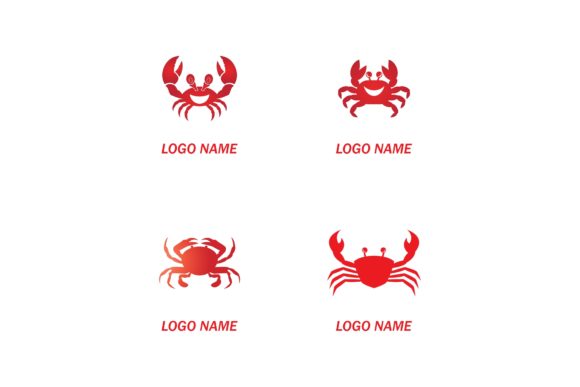
Crab Logo Design: A Guide for Seafood Brands
When you think of the ocean’s bounty, few creatures are as instantly recognizable or symbolically rich as the crab. For business owners in the culinary and maritime industries, a crab logo is more than just a pretty picture; it is a powerful visual shorthand for freshness, quality, and coastal charm. Whether you are launching a high-end seafood restaurant, a casual beachside cafe, or a sustainable fishing brand, leveraging the imagery of this crustacean can help establish a strong brand identity that resonates with customers.
The appeal of using a crab in your graphic design lies in its versatility. It is an animal that bridges the gap between rugged nature and gourmet dining. From the hardy claws of a Dungeness crab to the delicate legs of a snow crab, the anatomy offers endless creative possibilities for icons, emblems, and illustrations. This guide explores how to effectively use crab imagery to communicate your brand’s story, ensuring your visual identity stands out in a crowded market.
Why Choose a Crab for Your Brand Identity?
The primary reason entrepreneurs choose a crab symbol is its immediate association with seafood and freshness. In the minds of consumers, seeing a well-designed crab icon triggers thoughts of delicious meals, ocean breezes, and premium ingredients. This psychological connection is invaluable for restaurants, fish markets, and food packaging companies. It tells the customer what to expect before they even read the menu or product label.
Beyond the culinary angle, crabs represent resilience and protection due to their hard shells. For businesses focused on sustainability or marine conservation, a crab logo can symbolize a commitment to protecting aquatic life. Additionally, in astrology, the crab represents the sign of Cancer, which can be a clever niche angle for boutiques or lifestyle brands targeting specific demographics. However, for most commercial applications, the focus remains on the gastronomic and nautical associations.
Another significant benefit is the emotional tone a crab can convey. Depending on the style, a crab can appear fierce and premium, cute and approachable, or funny and cartoonish. This range allows brands to tailor their image precisely to their target audience. A luxury steak and seafood house might opt for a minimalist, engraved-style claw, while a family-friendly beach shack might choose a smiling, colorful cartoon crab holding a fork.
Exploring Design Styles and Aesthetics
One of the greatest strengths of crab imagery is its adaptability across various design trends. Understanding these styles will help you choose the right look for your business.
- Vintage and Retro: Engraved or hand-drawn sketches evoke a sense of tradition and history. Think of old maritime stamps, nautical charts, or classic fishmonger labels. These designs often use muted colors like navy blue, slate gray, and cream, creating a timeless feel that suggests established quality.
- Modern and Minimalist: Clean lines and simple shapes work best for digital-first brands. A stylized silhouette or an abstract representation of claws can create a sleek, contemporary logo that scales well from mobile apps to large signage. Black and white or monochrome palettes enhance this sophisticated look.
- Tropical and Vibrant: For businesses in Hawaii, the Caribbean, or other coastal vacation spots, bright colors are key. Incorporating elements like palm fronds, waves, sunsets, and hula motifs alongside a cheerful crab character creates a fun, inviting atmosphere perfect for bars, resorts, and souvenir shops.
- Rustic and Organic: Hand-painted textures, grunge effects, and earthy tones appeal to the farm-to-table or catch-of-the-day crowd. This style emphasizes the "natural" and "raw" aspects of the product, suggesting that the food is unprocessed and authentic.
When selecting a style, consider your medium. A complex, detailed illustration may look stunning on a poster or menu cover but could become illegible when shrunk down for a social media avatar or a embroidered cap. Always ensure your chosen design remains clear and impactful at different sizes.
Practical Applications in Business and Marketing
A well-crafted crab logo is not limited to your storefront sign. It serves as the cornerstone of your visual identity, appearing across a wide array of touchpoints. Here is how you can integrate this imagery into your marketing strategy:
Packaging and Labels: If you sell fresh seafood, frozen products, or sauces, your packaging is your silent salesman. A bold crab emblem on a box of crab cakes or a jar of remoulade sauce instantly communicates the flavor profile. Using high-quality vector graphics ensures that the print remains crisp, whether on a small sticker or a large cardboard box.
Digital Presence: Your website and social media channels should reflect the same visual language. An icon-based favicon featuring a simple crab claw can improve brand recognition. On platforms like Instagram, themed graphics incorporating marine elements like anchors, starfish, and waves can create a cohesive feed that attracts followers interested in coastal lifestyles.
Merchandise and Apparel: Restaurants and bars often boost revenue and brand loyalty by selling merchandise. T-shirts, hats, and tote bags featuring a cool, artistic crab design are popular items. The key here is to make the design something people want to wear, not just an advertisement. Stylized, artistic, or humorous interpretations often perform better than straightforward corporate logos.
Interior Decor: Extend your branding into the physical space. Wall murals, neon signs, and menu designs that incorporate crab motifs reinforce the theme. For a sushi bar, you might combine crab imagery with Japanese typography and minimalistic art styles. For a Cajun boil spot, vibrant, energetic illustrations of crawfish and crabs can enhance the lively dining experience.
Key Considerations Before Finalizing Your Design
Before you commit to a final design, there are several practical factors to keep in mind to ensure long-term success.
First, know your audience. A high-end gourmet restaurant requires a different aesthetic than a quick-service seafood shack. Luxury brands often lean towards abstraction, elegance, and restraint, using gold foil accents or fine line work. Casual eateries can afford to be more playful, using bright reds and oranges and comic-style characters.
Second, avoid clichés where possible. While crabs are common in seafood branding, you can stand out by focusing on unique details. Instead of a generic top-down view, consider a side profile, a close-up of the texture of the shell, or an interaction with other elements like lemon wedges, herbs, or kitchen tools. Combining the crab with unexpected elements, such as geometric shapes or modern typography, can create a fresh and unusual look.
Third, think about color psychology. Red and orange are natural choices, mimicking the cooked color of many crab species and stimulating appetite. Blue and teal evoke the ocean and freshness. Green can suggest sustainability and organic practices. Be mindful of how these colors interact with your background and other brand elements. High contrast is essential for readability.
Finally, ensure you have the right file formats. Always obtain vector files (such as SVG or AI) from your designer. Vectors allow you to scale the logo infinitely without losing quality, which is crucial for everything from business cards to building wraps. Raster images (like JPEGs or PNGs) are suitable for web use but should be high resolution to avoid pixelation.
In conclusion, a crab logo is a versatile and effective tool for any business connected to the sea. By carefully considering your style, audience, and application needs, you can create a brand identity that is not only visually appealing but also strategically sound. Whether you aim for vintage charm, modern minimalism, or tropical fun, the crab offers a wealth of creative potential to help your business make a splash.