The Power of the Bear: Unlocking Symbolism in Logo Design and Brand Identity
In the vast ecosystem of graphic design, few animals command as much immediate respect and recognition as the bear. From the icy expanses of the Arctic to the dense forests of North America, this wild mammal has long been a symbol of strength, power, and resilience. For businesses, sports teams, and creative professionals, incorporating a bear logo or vector illustration into their branding strategy is not merely an aesthetic choice; it is a deliberate communication of identity.
Whether you are designing a minimalist icon for a tech startup or a fierce mascot for a college football team, understanding the nuances of bear imagery is essential. This article explores the multifaceted role of the bear in modern design, examining how different styles—from vintage emblems to abstract line art—can convey specific messages to your audience.
Why Choose a Bear for Your Brand Identity?
The bear is a versatile symbol because it embodies a duality of character. On one hand, it represents raw, untamed power and aggression, making it ideal for competitive industries like sport, security, and outdoor equipment. On the other hand, certain species, such as the panda or the teddy bear, evoke feelings of cute comfort, childhood nostalgia, and gentle protection.
When selecting a bear head or silhouette for your logotype, consider the core values of your company:
- Strength and Leadership: The grizzly bear or brown bear is often associated with being the "king" of the forest. It suggests authority, bravery, and dominance, which is why it is a popular choice for league teams and champion brands.
- Protection and Safety: A mother bear is fiercely protective of her cubs. This concept translates well to insurance companies, security firms, or family-oriented business entities that want to project a sense of safety and care.
- Nature and Sustainability: As a key element of fauna and wildlife, the bear is a natural fit for brands focused on nature, adventure, and environmental conservation. A polar bear illustration, for instance, immediately evokes the glacier and climate awareness.
The Psychology of Bear Imagery
Human beings have an innate response to animal imagery. A roaring bear with exposed fangs triggers a sense of alertness and excitement, which can be leveraged in game design or competition-based marketing. Conversely, a sleeping or sitting bear with a grin creates a welcoming, fun atmosphere suitable for kids products, toy stores, or café branding.
Understanding this psychological impact allows designers to move beyond simple drawing techniques and create meaningful visual narratives. Whether the goal is to appear aggressive and territorial or fluffy and approachable, the bear offers a wide spectrum of emotional connectivity.
Exploring Design Styles: From Minimalist to Grunge
The execution of a bear vector can drastically alter its perception. Modern design trends offer a variety of approaches, each serving a different purpose in web, print, and mobile interfaces.
1. Minimalist and Line Art
In the digital age, simple and clean designs are paramount. A minimalist bear icon often uses negative space or single line strokes to define the shape of the animal. This style is highly effective for app interfaces, UI elements, and technology brands that value clarity and modernity. By stripping away unnecessary details, the designer focuses on the essential outline of the bear face, creating a memorable and scalable graphic.
2. Vintage and Retro Emblems
For brands seeking a sense of heritage and quality, the vintage or retro style is invaluable. These designs often feature intricate hand drawn details, typography banners, and badge-like structures. Think of old-school hunting clubs, barber shops, or craft beer labels. A grunge texture or stamp effect can add character, suggesting that the brand has stood the test of time. These elements create a feeling of authenticity and premium craftsmanship.
3. Geometric and Abstract
Geometric bear logos break the animal down into basic shapes like triangles, circles, and polygons. This abstract approach is popular in creative industries and network marketing because it looks modern, structured, and innovative. It transforms the organic form of the beast into a precise, professional insignia that appeals to a contemporary audience.
4. Mascot and Character Design
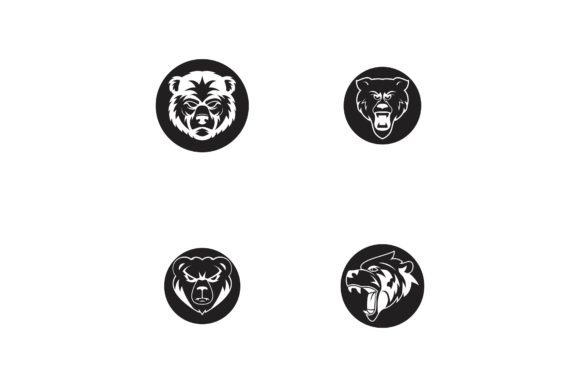
Sports teams and gaming communities often prefer a full-body mascot or a detailed character head. These illustrations are dynamic, often showing the bear in action—screaming, running, or playing basketball. The use of bold colors like red, black, and brown enhances visibility and energy. This style is less about subtlety and more about creating a strong, recognizable figure that fans can rally behind.
Practical Applications in Business and Media
The versatility of the bear template extends across numerous industries. Here is how different sectors utilize this powerful animal motif:
- Sports and Athletics: From football to soccer, bear mascots represent physical power and competitive spirit. A growling bear emblem on a jersey intimidates opponents and energizes players.
- Outdoor and Adventure Gear: Brands selling equipment for camping, hiking, or safari trips use bear imagery to connect with the wild. It suggests durability and readiness for harsh environments, from the Alaska wilderness to tropical forests.
- Food and Beverage: A honey bear or a cartoon bear can make food packaging appear friendly and appealing, especially for products targeting families or children. Conversely, a dark, moody bear illustration might be used for strong coffee or craft spirits.
- Education and Community: Schools and colleges often adopt the bear as a symbol of wisdom and strength. A scholarly bear wearing glasses or holding a book can serve as a unique school mascot, blending intelligence with bravery.
Common Misconceptions in Bear Logo Design
One common mistake designers make is assuming all bear images convey the same message. A polar bear does not carry the same connotations as a grizzly. The polar bear is associated with cold, isolation, and purity, while the grizzly is linked to earth, force, and territory. Mixing these contexts can confuse the brand message.
Another misunderstanding is regarding complexity. While a detailed illustration may look impressive on a poster, it often fails when scaled down for a mobile app icon or embroidery on a cap. Effective branding requires a vector file that remains clear and identifiable at any size. Simplifying the eyes, mouth, and fur textures ensures the logo remains functional across all media.
Conclusion: Crafting Your Perfect Bear Symbol
Choosing a bear logo is a strategic decision that goes beyond aesthetics. It is about aligning the spirit of the animal with the identity of your brand. Whether you opt for a cute panda for a gift shop, a fierce predator for a tournament team, or a geometric icon for a tech firm, the bear offers endless possibilities for creative expression.
By considering factors such as color, style, and context, you can create a professional and impactful design that resonates with your audience. Remember, a great logo is not just an image; it is a story told in a single glance. So, whether you are exploring line art simplicity or vintage complexity, let the power of the bear guide your branding journey.
For those looking to implement these concepts, starting with a high-quality bear vector template can provide a solid foundation. From there, customization through typography, color adjustment, and element integration will help you achieve a unique and ready-to-use brand asset that stands out in the crowded marketplace.