Mosque Logo Design: Principles, Symbolism, and Strategic Application
A Mosque Logo serves as the visual cornerstone for Islamic institutions, ranging from local community centers and masjids to global charities and educational foundations. In the context of modern branding, these designs are not merely decorative; they function as essential tools for communication, identity formation, and community cohesion. For architects, designers, and organizational leaders, understanding the nuances of creating an effective mosque logo requires a balance between traditional religious symbolism and contemporary graphic design principles. This article explores the critical elements, strategic benefits, and practical considerations involved in developing a distinct visual identity for Islamic organizations.
Understanding the Core Components of Islamic Visual Identity
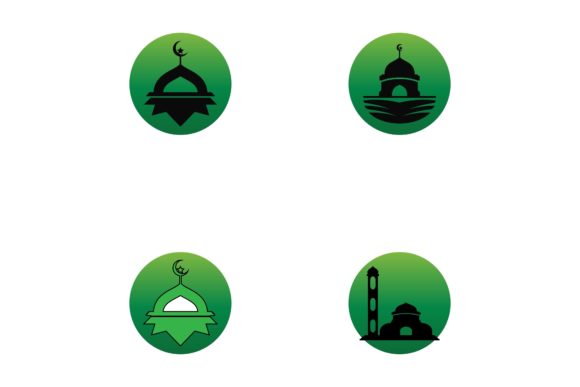
The creation of a mosque logo involves synthesizing various cultural and religious elements into a cohesive vector graphic. Unlike corporate logos that may rely on abstract shapes alone, Islamic design often draws from a rich heritage of calligraphy, geometry, and architecture. Key symbols frequently integrated into these designs include the crescent moon, the minaret, the dome, and the Quran. These elements are not arbitrary; they carry deep spiritual significance and immediate recognition within the Muslim community.
Calligraphy, particularly Arabic script, remains one of the most powerful tools in this domain. The artistic rendering of words such as "Allah," "Muhammad," or "Bismillah" can serve as both text and image, embodying the concept that the word of God is central to the faith. When combined with geometric patterns or arabesque ornaments, these typographic elements create a sense of infinite complexity and divine order. Designers must ensure that any Arabic typography used is accurate and respectful, as errors in sacred text can be deeply offensive.
Strategic Benefits of a Professional Mosque Logo
Investing in a well-designed emblem or logotype offers several tangible benefits for Islamic organizations. First, it establishes brand identity. In an increasingly digital world, a mosque is not just a physical building but also a online presence. A professional logo ensures consistency across websites, social media platforms, mobile apps, and printed materials like Ramadan greeting cards or Eid banners.
- Community Recognition: A unique symbol helps distinguish one institution from another, fostering a sense of belonging among members.
- Trust and Credibility: High-quality graphic design signals professionalism and stability, which is crucial for charity organizations seeking donations or educational institutes attracting students.
- Cultural Preservation: Incorporating traditional ornaments and Islamic art styles helps preserve cultural heritage while adapting it for modern contexts.
Furthermore, a versatile logo facilitates better communication. Whether it is used on a business card, a banner for a lecture series, or an icon for a prayer time app, the design must remain legible and impactful at various sizes. This versatility is achieved through clean line art, balanced negative space, and a limited color palette.
Design Considerations and Tradeoffs
When evaluating design options for a Mosque Logo, stakeholders must navigate several tradeoffs. One primary consideration is the balance between traditional and modern aesthetics. A highly ornate, complex design may look beautiful on a large building facade or a detailed poster, but it may lose clarity when reduced to a small favicon or social media profile picture. Conversely, a minimalist, flat design may scale well but risk appearing generic or lacking spiritual depth.
Color psychology also plays a significant role. While green is traditionally associated with Islam and paradise, and gold signifies luxury and divinity, modern brands often experiment with black, white, or blue to convey sophistication and tranquility. The choice of color should align with the organization's mission. For instance, an educational center might prefer calm, intellectual tones, while a charity focused on emergency relief might use more urgent, high-contrast colors.
Another critical factor is cultural specificity. Islamic architecture varies significantly across regions, from the Ottoman domes of Turkey to the intricate tile work of Morocco or the minimalist structures of Southeast Asia. A logo featuring a specific architectural style, such as a Turkish minaret, may resonate strongly with a particular demographic but feel alienating to others. Designers must decide whether to aim for a universal Islamic aesthetic or a culturally specific identity.
Situations Where a Custom Logo Is a Strong Fit
A custom-designed Mosque Logo is particularly valuable in the following scenarios:
- New Institution Launch: When establishing a new masjid, school, or foundation, a unique logo helps define the organization’s values and vision from the outset.
- Rebranding Efforts: Older institutions may find their existing imagery outdated or inconsistent. A refresh can modernize their appeal to younger generations without losing traditional roots.
- Digital Expansion: Organizations launching mobile applications for prayer times, Quran reading, or event management need icons that are scalable and recognizable on small screens.
- Global Outreach: International charities require a strong visual identity that transcends language barriers, relying on universal Islamic symbols like the crescent or lantern.
In these cases, the logo acts as a anchor for all subsequent marketing materials, including Eid-ul-Fitr greetings, Hajj travel packages, and Ramadan iftar invitations. It ensures that every touchpoint reinforces the organization’s brand.
When to Consider Alternatives or Simpler Solutions
While a custom logo is ideal for long-term branding, it may not always be the immediate priority. For small, informal study groups or temporary community initiatives, using existing clipart or generic templates might be sufficient. However, users must be cautious with stock imagery. Many free vectors lack exclusivity and may be used by multiple entities, diluting brand distinctiveness. Additionally, some pre-made designs may contain inaccuracies in Arabic calligraphy or inappropriate mixing of religious symbols.
If budget constraints are significant, organizations might consider starting with a simple typographic logo using a distinctive font rather than a complex pictorial emblem. This approach reduces design costs while still providing a professional appearance. As the organization grows, this simple mark can be evolved into a more comprehensive visual system.
Practical Decision-Making Insights
To determine whether a specific design direction aligns with your goals, consider the following questions:
- Who is the primary audience? Is the logo intended for long-standing community members, new converts, or non-Muslim neighbors? The design should be welcoming and understandable to the target demographic.
- Where will it be used most? If the primary use is digital, prioritize simplicity and scalability. If it is for architectural signage, consider how it interacts with physical materials like stone or wood.
- Does it reflect the core mission? An educational institute might incorporate a book or pen element, while a charity might focus on hands or hearts. Ensure the iconography matches the functional purpose of the organization.
Ultimately, a successful Mosque Logo is one that respects religious sensitivities while embracing modern design standards. It should be timeless enough to endure for decades yet flexible enough to adapt to new media formats. By focusing on clarity, cultural authenticity, and strategic application, Islamic organizations can create visual identities that inspire faith, foster community, and communicate their message effectively.
Whether selecting a designer or evaluating a template, prioritize quality and accuracy. The right visual identity does more than identify; it invites, educates, and unites. In a diverse and interconnected world, a thoughtful Islamic logo serves as a beacon of peace, knowledge, and spiritual connection.