Toys Clipart: A Creative Resource for Designers and Makers
In the vibrant world of digital design, finding assets that balance whimsy with professional quality can be a challenge. Toys Clipart has emerged as an essential resource for creators who need versatile, high-quality imagery for a wide range of projects. Whether you are a small business owner looking to brand your products, a parent planning a memorable birthday party, or a graphic designer seeking fresh elements for client work, these digital assets offer a seamless blend of nostalgia and modern utility.
This article explores the practical applications, technical specifications, and creative potential of watercolor toy-themed clipart. By understanding how to leverage these resources effectively, you can elevate your visual content while saving valuable time in the design process.
Understanding the Appeal of Watercolor Aesthetics
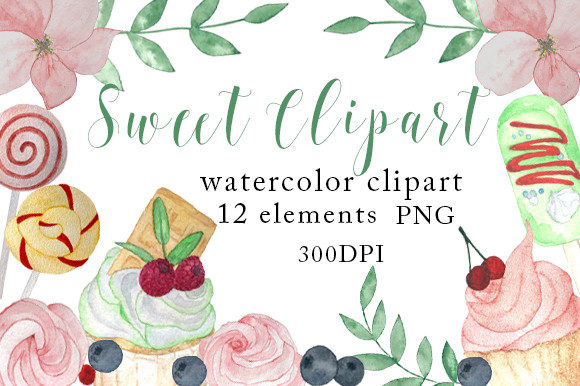
The choice of style in digital art significantly impacts the emotional response of the viewer. Watercolor Toys sublimation clipart captures the soft, organic feel of traditional painting while offering the precision and convenience of digital files. Unlike vector graphics, which can sometimes feel rigid or overly commercial, watercolor illustrations bring warmth and texture to a project. This makes them particularly suitable for audiences associated with childhood, comfort, and creativity.
When you incorporate these elements into your work, you are not just adding an image; you are adding a mood. The gentle blending of colors and the imperfect, hand-painted edges evoke a sense of authenticity. For businesses targeting families or children, this aesthetic helps build trust and emotional connection. It suggests care, attention to detail, and a personal touch that mass-produced stock photography often lacks.
Technical Specifications and Quality Standards
For any digital asset to be truly useful, it must meet rigorous technical standards. Low-resolution images may look acceptable on a screen but fail miserably when printed. The value of a premium Toys Clipart set lies in its resolution and file format. A typical high-quality set includes files that are approximately 3000x3000 pixels, which translates to roughly 10x10 inches at 300 DPI (dots per inch).
Why does this matter? The 300 DPI standard is the benchmark for professional printing. Whether you are creating stickers, printing on clothing, or producing physical invitations, this resolution ensures that edges remain crisp and colors stay vibrant without pixelation. Furthermore, receiving these elements as PSD (Photoshop Document) files offers significant advantages over flat JPEGs or PNGs. PSD files allow for layer management, meaning you can adjust individual components, modify backgrounds, or integrate the elements into complex compositions with ease.
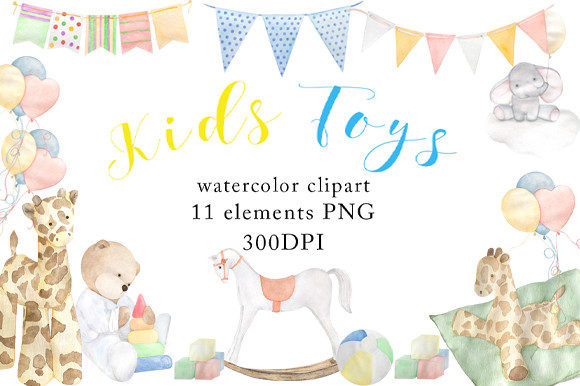
Most professional sets provide RGB color profiles, which are ideal for digital displays and many modern printing methods. However, it is always prudent to check if CMYK conversion is necessary for specific offset printing jobs. The inclusion of multiple files—such as a set of 11 distinct elements—provides variety, allowing you to mix and match items to create unique scenes rather than relying on a single repetitive image.
Practical Applications for Creators and Businesses
The versatility of Toys Clipart is one of its strongest selling points. Because the subjects are universal and the style is adaptable, these images can be applied across numerous industries and personal projects. Below are several key areas where these assets shine.
- Children’s Party Decorations: From birthday banners to cupcake toppers, watercolor toys add a cohesive theme to celebrations. You can easily print these designs on cardstock or vinyl to create custom decorations that match any color scheme.
- Apparel and Textile Design: With the rise of print-on-demand services, designers are constantly seeking unique graphics for children’s clothing. These clipart elements are perfect for sublimation printing on t-shirts, onesies, and tote bags, offering a soft, artistic look that appeals to parents.
- Digital and Physical Scrapbooking: Scrapbookers love layered elements. The separate images provided in PSD formats allow users to drag and drop toys into their layouts, adding depth and interest to memory-keeping projects.
- Invitations and Stationery: Baby showers, first birthdays, and kindergarten graduations all benefit from charming, themed invitations. Using high-resolution clipart ensures that the final printed product looks professional and inviting.
- Web and Blog Design: For bloggers writing about parenting, education, or child development, these images serve as excellent headers, social media graphics, or inline illustrations that break up text and engage readers.
Enhancing DIY Projects and Crafts
Beyond commercial use, Toys Clipart is a treasure trove for DIY enthusiasts. Decoupage and papercraft creations rely heavily on high-quality printed images. By printing these watercolor designs on specialty papers, crafters can transform plain wooden boxes, furniture, or journals into personalized keepsakes. The ability to download instantly means that inspiration can be acted upon immediately, without waiting for shipping or visiting a store.
Moreover, these elements are excellent for creating custom stickers. With a home printer and sticker paper, you can produce unique labels for organizing children’s rooms, school supplies, or pantry items. The playful nature of toy imagery makes mundane tasks like labeling more enjoyable for children, encouraging them to participate in organization and cleanup.
Evaluating Suitability for Your Project
While Toys Clipart is highly versatile, it is important to assess whether it fits your specific needs. Consider the following factors before integrating these assets into your workflow:
- Target Audience: Watercolor styles resonate well with demographics that value softness, tradition, and gentleness. If your brand identity is bold, neon, or ultra-modern, this style might clash. However, for brands focusing on wellness, education, or family values, it is an ideal match.
- Print Method: Ensure your printing method supports the resolution provided. While 300 DPI is standard for most home and office printers, large-format printing (like billboards) may require different scaling strategies. For clothing, verify that your sublimation or heat transfer process preserves the delicate color gradients of the watercolor effect.
- Editing Skills: PSD files offer flexibility but require software like Adobe Photoshop or compatible alternatives. If you are not comfortable working with layers, you may prefer PNG files with transparent backgrounds. However, investing a small amount of time to learn basic layer manipulation can significantly expand what you can achieve with these files.
Maximizing Value Through Customization
To get the most out of your Toys Clipart purchase, do not hesitate to customize the elements. Change the hue to match your brand colors, add text overlays for invitations, or combine multiple toys to create a new scene. The fact that you receive separate images allows for this level of creativity. For instance, you might place a teddy bear next to a building block to create a narrative scene for a children’s book cover or a classroom poster.
Additionally, consider using these images as photo overlays. By adjusting the opacity and blending modes in your editing software, you can superimpose watercolor toys onto photographs, creating dreamy, artistic composites for social media content or memorial prints. This technique adds a layer of sophistication and uniqueness that sets your content apart from generic stock imagery.
Conclusion: Investing in Creative Efficiency
In conclusion, Toys Clipart represents more than just a collection of images; it is a tool for creative efficiency and artistic expression. By providing high-resolution, professionally crafted watercolor elements, these sets empower users to produce polished, engaging content without the need for advanced illustration skills. Whether you are decorating a child’s room, launching a clothing line, or simply organizing your home with custom labels, these assets offer a reliable and beautiful solution.
The key to success lies in understanding the technical capabilities of the files and aligning them with your project goals. By choosing high-quality, versatile clipart, you invest in the visual integrity of your work, ensuring that every print, post, and product reflects the care and creativity you intend to convey. As digital design continues to evolve, having a library of trusted, high-quality assets like these will remain an invaluable part of any creator’s toolkit.