Unlocking Culinary Creativity with the Kitchen Graphic Collection
Visual storytelling in the food industry has shifted dramatically. It is no longer enough to simply list ingredients or describe a flavor profile; modern audiences crave an aesthetic experience that begins long before the first bite. For designers, restaurateurs, and content creators, finding high-quality, versatile assets that capture the warmth and charm of culinary life can be a significant hurdle. This is where the Kitchen Graphic Collection steps in as a practical solution. It is not merely a folder of clip art; it is a curated toolkit designed to streamline the design process for anyone working within the food, lifestyle, or hospitality sectors.
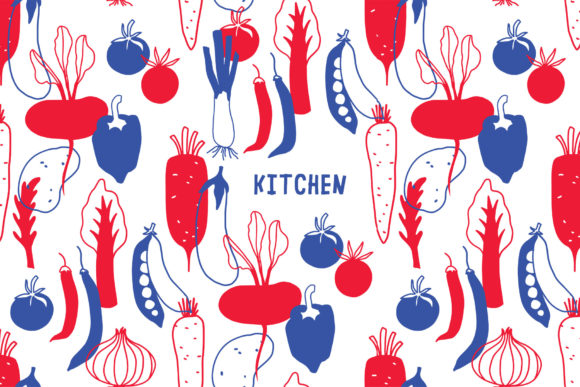
The collection comprises 82 separate elements, three distinct posters, five seamless patterns, and five pre-made compositions. These assets feature linear images of vegetables, fruits, tableware, and other kitchen-related essentials. By offering these resources in multiple formats—including Ai, Eps 10, and Png with transparent backgrounds—the collection ensures compatibility with both professional vector software and standard image editors. But beyond the technical specifications, the true value lies in how these elements solve real-world design problems.
Bridging the Gap Between Concept and Final Product
One of the most common frustrations for freelance graphic designers and small agency owners is the time spent sourcing individual icons or illustrations. Searching for a consistent style across different assets often leads to a mismatched visual identity. The Kitchen Graphic Collection addresses this by providing a cohesive visual language. Whether you are designing a minimalist menu for a farm-to-table bistro or creating social media graphics for a nutrition coach, having a unified set of linear illustrations ensures brand consistency.
Consider the scenario of a local café launching a new seasonal brunch menu. The owner wants a clean, modern look that highlights fresh ingredients. Instead of commissioning a custom illustrator—which can be costly and time-consuming—the designer can utilize the 82 separate elements from this collection. They can mix and match images of avocados, coffee cups, and cutlery to create custom headers for each section of the menu. Because the files are available in vector formats like Ai and Eps 10, scaling these images to fit any layout without losing quality is effortless. This flexibility allows for rapid iteration, meaning the client can see multiple design options in a fraction of the usual time.
Expanding Beyond Digital Screens
While digital design is dominant, the tactile nature of the food industry means physical products remain crucial. The inclusion of five seamless patterns in the Kitchen Graphic Collection opens up extensive possibilities for surface design. These patterns are ideal for creating wrapping paper, packaging design, and even kitchen fabric design. Imagine a small business selling artisanal jams or homemade granola. Using the seamless patterns featuring linear fruit motifs, the entrepreneur can design unique, professional-grade labels and box wraps that stand out on crowded retail shelves.
Furthermore, the three included posters serve as ready-made wall art prints. For interior designers specializing in hospitality spaces, these posters can be framed and used to decorate restaurant walls, adding a touch of sophistication without the need for custom artwork. The linear style is particularly effective here because it feels light and airy, preventing the walls from feeling cluttered. This is a subtle but important detail in creating a welcoming dining atmosphere.
Empowering Content Creators and Educators
The utility of this graphic set extends well beyond commercial branding. Bloggers, cookbook authors, and educators find immense value in having a library of reliable kitchen imagery. For a food blogger, creating engaging Pinterest pins or Instagram stories requires constant visual refreshment. The five pre-made compositions provide a quick starting point for these social media assets. Users can easily overlay text, such as recipe titles or cooking tips, onto these compositions because the Png files come with transparent backgrounds. This eliminates the tedious task of masking out backgrounds manually.
In the educational sector, cooking instructors and nutritionists can use these elements to create visually appealing handouts and worksheets. The bonus recipe sheet included in the package is a prime example of this practical application. It provides a structured template that can be customized with specific recipes, making it an excellent resource for cooking classes or community workshops. By using the consistent linear style of the Kitchen Graphic Collection, educators can produce materials that look professional and organized, enhancing the perceived value of their instruction.
Technical Versatility for Diverse Workflows
A critical aspect of any digital asset pack is its accessibility to users with varying levels of technical skill and software access. The Kitchen Graphic Collection excels in this area by providing files in Ai, Eps 10, Jpeg, and Png formats. Professional designers who work primarily in Adobe Illustrator can leverage the Ai and Eps 10 files to edit paths, change colors, and adjust line weights to match specific brand guidelines. On the other hand, hobbyists or small business owners who may only have access to basic photo editing software can rely on the high-resolution Jpeg and Png files.
The transparency of the Png files is particularly noteworthy. It allows for seamless integration into existing designs without the awkward white boxes that often plague lower-quality clip art. This feature is essential for web design, where images need to blend naturally with background colors or textures. Whether you are building a landing page for a catering service or designing an email newsletter for a grocery delivery startup, these transparent assets ensure a polished final product.
Considerations Before Implementation
While the Kitchen Graphic Collection offers a broad range of applications, users should consider their specific needs before downloading. If your project requires highly photorealistic imagery, this linear, illustrative style may not be the best fit. However, if you are aiming for a modern, clean, and approachable aesthetic, these assets are ideal. It is also important to review the licensing terms to ensure they align with your intended commercial use, especially if you plan to sell products featuring these designs, such as printed textiles or packaged goods.
Additionally, while the pre-made compositions are convenient, they should be viewed as starting points rather than final solutions. To truly make these assets your own, consider combining the separate elements to create unique scenes. For instance, you might combine a linear image of a whisk with a bowl and some scattered flour to create a dynamic composition for a baking blog header. This level of customization helps avoid the "stock photo" look and adds a personal touch to your designs.
In conclusion, the Kitchen Graphic Collection is more than just a set of images; it is a versatile resource that supports a wide array of creative and commercial endeavors. From enhancing the visual appeal of restaurant menus to creating engaging educational materials, these assets provide the flexibility and quality needed in today’s competitive market. By understanding the diverse ways these elements can be applied, creators and business owners can elevate their projects efficiently and effectively.