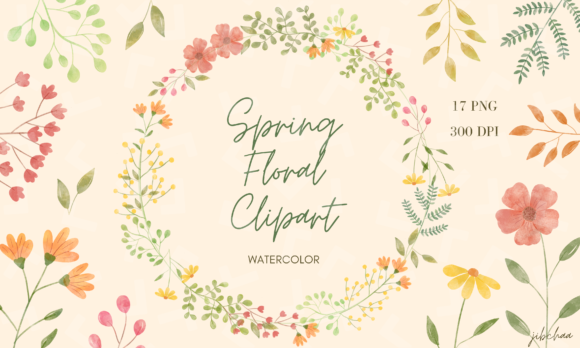
Unlocking Creativity with Spring Floral Watercolor Clipart
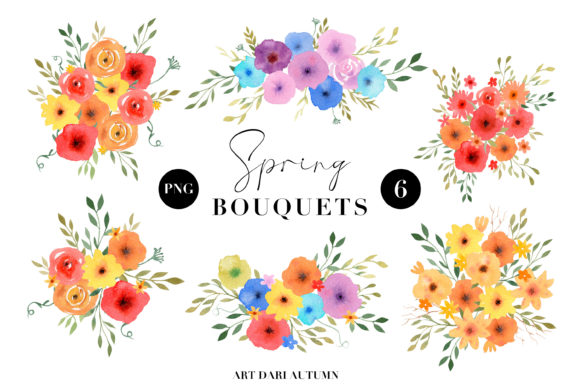
In the vibrant world of digital design, finding assets that blend artistic charm with technical versatility is a game-changer for creators. Spring Floral Watercolor Clipart represents more than just a collection of images; it is a toolkit for visual storytelling. Whether you are a seasoned graphic designer, a small business owner launching a new product line, or a hobbyist looking to add a personal touch to handmade gifts, these digital elements offer a seamless way to infuse projects with the freshness and elegance of the spring season.
This article explores the unique characteristics of high-quality watercolor digital assets, detailing how a set of transparent background elements can be mixed and matched to create bespoke designs. We will delve into practical applications, technical specifications, and the tangible value these resources bring to various creative industries.
The Essence of Digital Watercolor Artistry
Watercolor art has long been celebrated for its soft edges, fluid transitions, and organic feel. Traditionally, achieving this look required significant skill and time. However, modern digital solutions have democratized access to this aesthetic. A premium set of Spring Floral Watercolor Clipart typically includes digitally painted elements that retain the authentic texture and depth of hand-painted works while offering the convenience of digital manipulation.
The core appeal lies in the transparent background. Unlike standard JPEGs with white boxes around them, PNG files with transparency allow designers to layer flowers, leaves, and frames over any background color or pattern without awkward edges. This feature is crucial for professional-looking results, ensuring that the artwork blends naturally into invitations, websites, or printed materials.
What Is Included in a Comprehensive Set?
When evaluating a digital download, understanding the components is vital for planning your projects. A robust collection usually provides a variety of elements to ensure compositional flexibility. For instance, a typical high-value package might include:
- Flowers: Approximately six distinct floral varieties, capturing different stages of bloom and angles.
- Leaves and Foliage: Six complementary leaf designs that provide balance and greenery to floral arrangements.
- Accent Elements: Four color drops or abstract watercolor splashes that add dynamic movement and artistic flair.
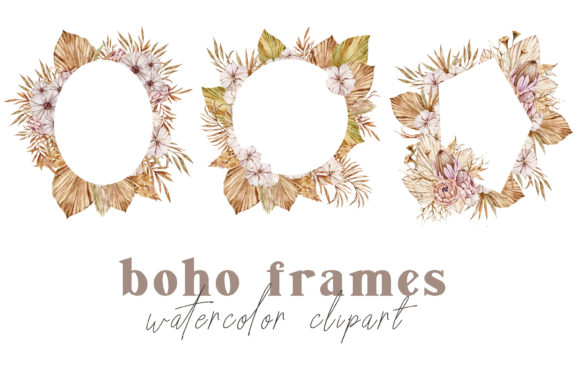
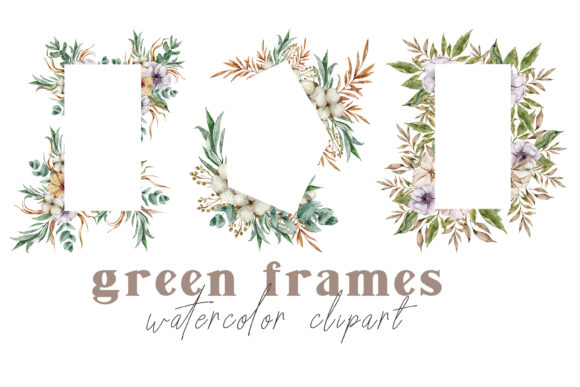
- Structural Frames: One wreath frame, perfect for centering text or creating focal points in circular layouts.
Having these individual components allows for infinite combinations. You are not limited to pre-made bouquets; instead, you can build custom arrangements that fit specific spatial requirements or design themes.
Technical Specifications: Why Quality Matters
For both digital and print applications, resolution and file format are non-negotiable factors. Low-resolution images may look acceptable on a screen but often appear pixelated or blurry when printed. High-quality Spring Floral Watercolor Clipart is engineered to meet professional standards.
Consider the following technical benchmarks often found in premium sets:
- High Resolution: Files sized at 2000x3000 pixels for individual elements (flowers, leaves, drops) and 3000x3000 pixels for larger frames like wreaths.
- Print-Ready DPI: A density of 300 DPI (dots per inch) ensures crisp lines and smooth gradients, essential for physical products.
- Format: PNG format with transparency support.
- Clean Artwork: No watermarks, ensuring the final design is ready for immediate use.
These specifications mean that a single flower element can be scaled down for a delicate planner sticker or enlarged for a large textile print without losing clarity. This versatility maximizes the return on investment for the creator.
Versatile Applications Across Industries
The utility of watercolor clipart extends far beyond simple digital decorations. Its adaptability makes it a valuable asset for numerous industries and creative pursuits. Below are some prominent ways these elements are utilized in real-world scenarios.
Stationery and Event Planning
One of the most popular uses for spring-themed florals is in the creation of invitations and greeting cards. Wedding invitations, baby shower announcements, and birthday cards benefit immensely from the soft, romantic aesthetic of watercolor flowers. Designers can layer the wreath frame around couple names or use scattered petals and leaves to create borders. The ability to mix and match elements ensures that no two invitations need to look exactly alike, offering a bespoke feel for clients.
Product Design and Sublimation
For entrepreneurs involved in print-on-demand or handmade goods, these cliparts are indispensable. Sublimation designs require high-resolution images to transfer cleanly onto fabrics and hard surfaces. Common products include:
- Apparel: T-shirts, baby clothes, and textile totes featuring delicate floral prints.
- Home Goods: Mugs, pillows, and wrapping paper.
- Accessories: Planner stickers and logo designs for boutique brands.
The transparent background is particularly useful here, allowing the design to sit seamlessly on colored mugs or patterned fabrics without a visible white box surrounding the image.
Digital Media and Web Design
In the digital realm, Spring Floral Watercolor Clipart enhances user experience and brand identity. Social media managers use these elements to create engaging posts for Instagram, Pinterest, and Facebook, especially during spring campaigns. Web designers incorporate them into headers, blog post graphics, and email newsletters to soften the visual tone and attract attention. Because the files are optimized for screen viewing as well as print, they load efficiently while maintaining visual impact.
Who Benefits from These Digital Assets?
Understanding who uses these tools helps clarify their value proposition. The audience for high-quality watercolor clipart is diverse:
Small Business Owners: Those running Etsy shops or local boutiques can use these assets to create cohesive branding materials, from logos to packaging inserts, without hiring an expensive illustrator for every project.
Graphic Designers: Professionals often use clipart as base elements to speed up workflow. Instead of painting every leaf from scratch, they can assemble complex compositions quickly, focusing their energy on layout and typography.
Educators and Parents: Teachers creating classroom decorations or parents making homemade learning materials can use these friendly, approachable designs to make educational content more engaging.
Hobbyists: Scrapbookers and journal enthusiasts appreciate the ability to print high-quality elements at home for KPD pages (Kindle Paperwhite or similar e-ink devices, though typically printed for physical journals) and traditional paper scrapbooking.
Practical Considerations and Best Practices
While digital clipart offers immense convenience, there are practical considerations to keep in mind to ensure the best results.
Evaluating Suitability for Your Project
Before purchasing or downloading, consider the end use. If you are designing for large-format printing, such as a banner or a large tote bag, verify that the resolution (e.g., 3000px) is sufficient for your desired print size at 300 DPI. For web use, you may need to compress the files slightly to improve loading speeds, although the original high-quality files give you the best starting point for resizing.
Licensing and Usage Rights
It is crucial to understand that this is a digital download; there is no physical product shipped to you. Additionally, always review the license agreement. Most standard licenses allow for personal and commercial use in end products (like selling a mug with the design), but they rarely allow for the resale of the clipart files themselves. Respecting intellectual property rights ensures a sustainable creative ecosystem.
Design Tips for Non-Designers
If you are new to working with layered images, start simple. Use the wreath frame as a central anchor and place text inside it. Add one or two flowers at the corners to balance the composition. Use the color drops sparingly to add depth behind the main elements. Remember, white space is your friend; overcrowding a design can diminish the delicate nature of watercolor art.
Conclusion
Spring Floral Watercolor Clipart serves as a bridge between artistic expression and practical application. By providing high-resolution, transparent, and versatile elements, these digital sets empower creators to produce professional-grade designs with ease. From enhancing social media presence to creating tangible products like t-shirts and invitations, the potential applications are limited only by imagination.
Whether you are looking to streamline your design workflow or add a touch of seasonal beauty to your projects, investing in quality watercolor assets is a strategic move. With the right tools and a clear understanding of how to mix and match these elements, you can create unique, visually appealing designs that resonate with your audience and elevate your brand.