Strategic Branding with Watercolor Clipart Veggies and Herbs
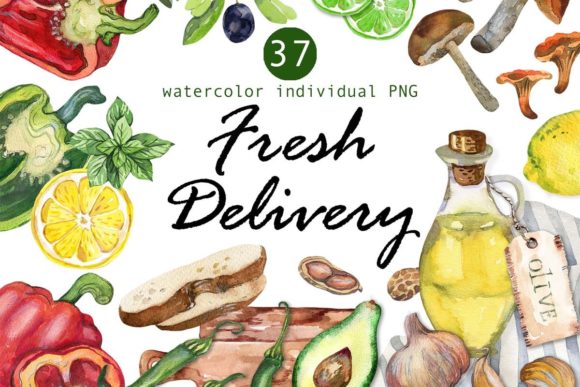
In the crowded digital marketplace, visual consistency is not merely an aesthetic preference; it is a fundamental component of brand recognition and customer trust. For entrepreneurs, marketers, and content creators operating in the culinary, wellness, or lifestyle sectors, the choice of imagery can significantly influence consumer perception. Watercolor Clipart Veggies and Herbs offers a distinct visual language that bridges the gap between professional polish and approachable warmth. This collection of 37 high-quality, hand-painted elements provides more than just decorative assets; it serves as a versatile toolkit for strategic communication.
When you integrate these watercolor images with vegetables and herbs into your workflow, you are making a deliberate choice to humanize your brand. Unlike sterile stock photography or rigid vector graphics, watercolor textures evoke organic authenticity. This subtle psychological cue is invaluable for businesses aiming to convey freshness, natural ingredients, or artisanal quality. However, the true value of this food clip art lies not in its existence, but in its intentional application. To leverage these assets effectively, one must move beyond random decoration and adopt a structured approach to visual storytelling.
Aligning Visual Assets with Brand Positioning
Before deploying any graphic element, it is crucial to assess its alignment with your broader brand strategy. Watercolor Clipart Veggies and Herbs is particularly effective for brands that prioritize transparency, sustainability, and health. If your business model relies on connecting with customers who value farm-to-table ethics or holistic wellness, the soft, imperfect lines of hand-painted watercolor reinforce those values visually.
Consider the decision-making process of your target audience. When a potential customer encounters your website or social media content, they form an impression within milliseconds. Using hi-res, transparent background PNGs allows for seamless integration into your existing design system. This ensures that the visuals do not appear disjointed or amateurish. The 300 dpi resolution included in this set guarantees that whether the image is viewed on a retina display or printed on high-quality cardstock, the integrity of the brand remains intact.
Strategic positioning also involves consistency. By utilizing a cohesive set of 37 individual elements, you avoid the visual clutter that often results from mixing disparate graphic styles. This uniformity helps in building a recognizable visual identity. Over time, customers begin to associate the specific style of these vegetable and herb illustrations with your brand, creating a mental shortcut that aids in recall and loyalty.
Enhancing Communication Through Digital Scrapbooking and Web Design
The versatility of this clip art set extends across multiple channels, each requiring a tailored approach to maximize impact. In digital environments, such as websites and blogs, the use of Watercolor Clipart Veggies and Herbs can break up text-heavy content, improving readability and user engagement. For bloggers and publishers, these elements serve as visual anchors that guide the reader’s eye through complex information about nutrition, recipes, or gardening tips.
Digital scrapbooking is another avenue where these assets shine. For educators and hobbyists, creating interactive learning materials or personal projects becomes more engaging when supplemented with high-quality, thematic graphics. The transparent backgrounds allow for layering, enabling creators to compose unique scenes without the limitations of pre-set layouts. This flexibility supports creativity while maintaining a professional standard.
When designing for web use, consider the load times and responsiveness of your pages. While these are high-resolution files, proper optimization ensures they enhance rather than hinder the user experience. The RGB color profile is specifically designed for screen display, ensuring that the vibrant greens of basil, the deep purples of eggplant, and the earthy tones of root vegetables appear true to life on digital devices.
Optimizing Print Materials for Tangible Customer Experience
While digital presence is critical, tangible touchpoints remain powerful drivers of customer experience. Event invitations, greeting cards, gift tags, and labels benefit immensely from the tactile quality implied by watercolor aesthetics. When you print these 300 dpi images on physical media, the result is a premium feel that digital screens cannot replicate.
For small business owners selling artisanal foods, candles, or skincare products, custom labels are a key differentiator. Using Watercolor Clipart Veggies and Herbs on product packaging signals attention to detail and craftsmanship. It suggests that the product inside is made with care, mirroring the care taken in selecting the visual representation. This alignment between product and packaging strengthens the overall brand narrative.
Party supplies and wall art also offer opportunities for strategic deployment. Imagine a cooking workshop or a farmers' market event. Invitations featuring these hand-painted elements set the tone before the guest even arrives. They communicate a sense of occasion and thematic relevance. Similarly, wall art in a restaurant or café can reinforce the establishment’s commitment to fresh, natural ingredients, subtly influencing the dining experience.
Operational Efficiency and Productivity Gains
Beyond branding and aesthetics, the practical benefits of using a comprehensive clip art set should not be overlooked. Time is a scarce resource for freelancers, marketers, and entrepreneurs. Searching for individual, high-quality images that match in style and resolution is a time-consuming process that often leads to compromise. By investing in a curated set of 37 individual elements, you streamline your design workflow.
This efficiency translates directly into productivity. Instead of spending hours sourcing and editing mismatched graphics, you have immediate access to a cohesive library. This allows you to focus on higher-value tasks such as strategy, content creation, and customer engagement. The standardized format—PNG with transparent backgrounds—means minimal preprocessing is required. You can drag, drop, and resize these elements with confidence, knowing they will integrate smoothly into your designs.
Furthermore, having a dedicated asset library reduces decision fatigue. When every project starts with a blank slate, the number of choices can be overwhelming. A predefined set of Watercolor Clipart Veggies and Herbs provides a starting point, narrowing the field of options and accelerating the creative process. This structured approach to resource management supports consistent output and reduces the risk of burnout.
Risks of Unintentional Use and Mitigation Strategies
Despite the advantages, there are risks associated with the misuse of graphic assets. Using Watercolor Clipart Veggies and Herbs without clear goals can lead to visual noise rather than clarity. If the imagery does not support the core message, it becomes a distraction. For instance, placing elaborate vegetable illustrations on a minimalist tech product page may create cognitive dissonance, confusing the audience about the brand’s identity.
To mitigate this risk, always ask: Does this visual element add value? Does it clarify or complicate the message? Strategic use requires restraint. Just because you have 37 elements does not mean you must use them all in a single design. Often, a single, well-placed herb illustration can be more impactful than a cluttered collage. Consider the white space and the hierarchy of information. The graphics should complement the text, not compete with it.
Another consideration is cultural context. Different vegetables and herbs carry different connotations in various cultures. Ensure that the selected elements resonate appropriately with your target demographic. For example, certain herbs may have specific medicinal or culinary associations that could either enhance or detract from your message depending on the audience’s background.
Long-Term Value and Sustainable Design Practices
Investing in high-quality, versatile assets like this watercolor set contributes to long-term brand equity. Unlike trendy graphics that may become obsolete within months, classic watercolor styles possess a timeless quality. This longevity means you can continue to use these elements across multiple campaigns and years without needing frequent redesigns. This consistency builds trust and familiarity with your audience.
Moreover, sustainable design practices involve maximizing the utility of each asset. By using these elements across diverse platforms—digital scrapbooking, event invitations, wall art, greeting cards, gift tags, party supplies, websites, and labels—you extract maximum value from your initial investment. This holistic approach ensures that your brand voice remains consistent across all touchpoints, reinforcing your market position.
In conclusion, Watercolor Clipart Veggies and Herbs is more than a collection of images; it is a strategic tool for enhancing brand communication. By understanding its potential and applying it with intention, you can create compelling, cohesive, and effective visual narratives. Whether you are a small business owner looking to elevate your packaging or a marketer aiming to improve engagement, these hand-painted elements offer a pathway to achieving better results through thoughtful design. The key lies in aligning these assets with your goals, planning their deployment carefully, and executing with precision. In doing so, you transform simple graphics into powerful instruments of brand growth and customer connection.