Elevating Digital Design with Hand-Painted Watercolor Mini Cactus Clip Art
In the rapidly evolving landscape of digital design and creative entrepreneurship, the demand for authentic, high-quality visual assets has never been higher. Among the myriad of styles available to modern creators, botanical illustrations hold a special place due to their versatility and timeless appeal. Specifically, Watercolor Mini Cactus Clip Art has emerged as a favored resource for designers, hobbyists, and business owners alike. These hand-painted elements offer a unique blend of organic texture and digital convenience, allowing users to infuse their projects with warmth and personality that rigid vector graphics often lack.
The appeal of cactus imagery extends beyond mere aesthetics. It taps into broader cultural trends surrounding sustainability, resilience, and indoor gardening. By integrating these miniature watercolor succulents into various media, creators can communicate a sense of calm and natural beauty. This article explores the technical specifications, practical applications, and strategic advantages of utilizing a curated set of watercolor cactus clipart in professional and personal projects.
The Artistic Value of Hand-Painted Digital Assets
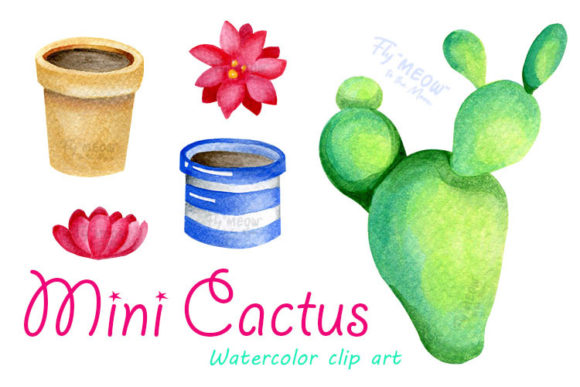
Unlike standard stock photography or computer-generated vectors, hand-painted watercolor elements possess an inherent uniqueness. Each brushstroke carries the subtle imperfections and fluid variations characteristic of traditional media. When these are digitized into high-resolution formats, they retain their artistic integrity while gaining the flexibility required for modern workflows. A typical Watercolor Cactus Clipart Set includes elements that have been carefully painted, scanned, and processed to ensure clarity and vibrancy.
The "mini" aspect of these illustrations is particularly significant. Smaller, detailed elements allow for intricate compositions without overwhelming the design. They serve as perfect accents rather than dominant focal points, making them ideal for border designs, pattern repeats, and subtle background textures. This scale versatility ensures that the artwork remains legible and impactful whether printed on a small sticker or displayed on a large poster.
Technical Specifications and Quality Standards
For any digital asset to be truly useful in a professional context, it must meet rigorous technical standards. High-quality clip art sets are typically delivered in PNG format with transparent backgrounds. This transparency is crucial, as it allows designers to layer the cactus images over various colors, patterns, and photographs without unsightly white boxes or jagged edges. The absence of a background ensures seamless integration into existing design layouts.
Resolution is another critical factor. Professional-grade files are usually provided at 300 DPI (dots per inch). This high resolution ensures that the images remain crisp and clear when printed. Whether the final output is a business card, a wedding invitation, or a large-format banner, 300 DPI prevents pixelation and maintains the delicate details of the watercolor washes. It is important to note that while these are digital products, the quality mimics the tactile feel of physical paint, bridging the gap between traditional art and digital efficiency.
Diverse Applications for Creative Projects
The utility of Watercolor Mini Cactus Clip Art spans a wide array of industries and creative disciplines. Its neutral yet charming aesthetic makes it suitable for both commercial and personal use. Below are several key areas where these assets add significant value.
Stationery and Paper Products
One of the most popular uses for cactus clipart is in the creation of stationery. Greeting cards, thank-you notes, and personalized letterheads benefit greatly from the organic feel of watercolor plants. For event planners and couples, these elements are perfect for wedding invitations, baby shower announcements, and birthday cards. The soft greens and earthy tones of cacti complement a variety of color palettes, from pastel pinks and blues to bold terracottas and mustard yellows.
Furthermore, planners and journals often feature botanical themes. Users can incorporate these mini cacti into printable planner stickers, dashboard dividers, and cover designs. The small size of the "mini" cactus allows for multiple elements to be arranged in clusters or scattered patterns, adding visual interest to functional organizational tools.
Apparel and Textile Design
The fashion and textile industry increasingly relies on digital prints for custom apparel. Watercolor cactus designs are particularly effective on t-shirts, baby clothes, and tote bags. Because the images are hand-painted, they possess a softness that appeals to consumers looking for gentle, nature-inspired clothing. For baby clothes, the non-threatening, cute appearance of mini cacti makes them an excellent choice for nursery-themed outfits.
When preparing these files for print-on-demand services, the transparent PNG format is essential. It allows the design to be placed directly onto colored fabrics without additional editing. Designers should ensure that the colors are calibrated correctly, as monitors and printers interpret color differently. Testing prints on actual fabric samples is recommended to achieve the desired outcome.
Web Design and Digital Marketing
In the digital realm, these clip art sets enhance website aesthetics and social media content. Bloggers and online entrepreneurs use watercolor cacti to create cohesive brand identities. They can be used as header images, sidebar decorations, or icons for service lists. The organic shapes break up the rigid grid structures common in web design, creating a more inviting and user-friendly interface.
Social media graphics also benefit from these elements. Instagram posts, Pinterest pins, and Facebook covers featuring watercolor botanicals tend to perform well due to their visual appeal. They help brands convey a lifestyle associated with wellness, mindfulness, and natural living. Additionally, digital advertisers can use these images in banner ads to attract attention without appearing overly aggressive or corporate.
Implementation Workflow for Designers
Integrating Watercolor Cactus Clipart into a project involves a straightforward workflow, but attention to detail ensures the best results. Upon purchasing a digital set, users typically receive a ZIP file containing individual PNG images. The first step is to extract these files into a dedicated folder on the computer. Organizing assets by theme or color can save time during the design process.
Most professional designers use software such as Adobe Photoshop, Illustrator, or Procreate to manipulate these files. Since the images are raster-based (PNG), they are best edited in pixel-based programs. However, they can be imported into vector software for layout purposes. Key editing tasks may include adjusting brightness and contrast, changing hue to match brand colors, or combining multiple cactus elements to create custom compositions.
It is important to remember that these are digital downloads. No physical items are shipped. Once payment is complete, the files are available for instant download via the user’s account or email. This immediacy allows for rapid prototyping and quick turnaround times for client projects. Designers should always keep backup copies of the original high-resolution files to prevent data loss.
Considerations for Color Accuracy
A common challenge in digital design is color consistency. The vibrant greens and subtle shadows seen on a calibrated monitor may appear different when printed on paper or fabric. This variation occurs because screens emit light (RGB color model) while printers use ink (CMYK color model). To mitigate this, designers should preview their work in CMYK mode if possible and consider creating test prints. Understanding that slight color shifts are normal helps manage expectations and ensures satisfaction with the final product.
Strategic Advantages for Business Owners
For entrepreneurs selling handmade goods or digital products, using high-quality clip art can significantly enhance product value. Unique, hand-painted elements differentiate products from mass-produced competitors. For instance, a seller of printable wall art can use these cactus images to create affordable, stylish decor options for customers. Similarly, crafters can use the images to create physical stickers, decals, and iron-on transfers.
Moreover, the versatility of the Watercolor Mini Cactus Clip Art allows for scalability. A single set can be used across multiple product lines, from paper goods to textiles, maintaining brand consistency. This efficiency reduces the need to commission custom illustrations for every new product, lowering overhead costs while maintaining high aesthetic standards.
Conclusion
The integration of hand-painted watercolor elements into digital design offers a powerful tool for creativity and communication. Watercolor Cactus Clipart Set Mini Cactus provides a balance of artistic charm and technical functionality. With high-resolution PNG files, transparent backgrounds, and versatile applications, these assets empower creators to produce professional-quality work across various mediums. Whether for stationery, apparel, web design, or DIY projects, these mini cacti bring a touch of nature and elegance to every creation. By understanding the technical requirements and exploring diverse use cases, designers and business owners can fully leverage the potential of these beautiful digital resources.